Sustainability work can sometimes sound like something that lives in strategies, policies, and long-term goals. And yes — we need those. They provide direction, priorities, and a shared language for where we want to go. But sustainability doesn’t become real in a document.
It becomes real in everyday work. In the decisions we make between meetings. In how we plan, order, produce, communicate, deliver, and collaborate. In the small choices repeated so often they eventually become culture. And in the bigger changes that require courage, persistence — and someone actually stepping up to make them happen.
That’s why we want to do this series. To remind ourselves — and show others — that sustainability in practice is created by people. By colleagues who notice the details, find smarter solutions, ask that extra question, dare to say “hold on” when something doesn’t feel right, and make the work a little better today than it was yesterday. Often without it being noticed. Almost always without applause.
We’re proud of our people. Of the commitment, curiosity, and everyday craftsmanship. Of the fact that improvements happen all the time — in conversations, routines, priorities, and actions. Small steps that together become a strong “we”, and that make a real difference.
In this series, we want to highlight exactly that: the sustainability work that’s happening every day, everywhere, all the time. Through the people in our teams. Small and big efforts, learnings, ideas, and reflections. Because sometimes what matters most isn’t saying you have a strategy — but showing how it comes alive.
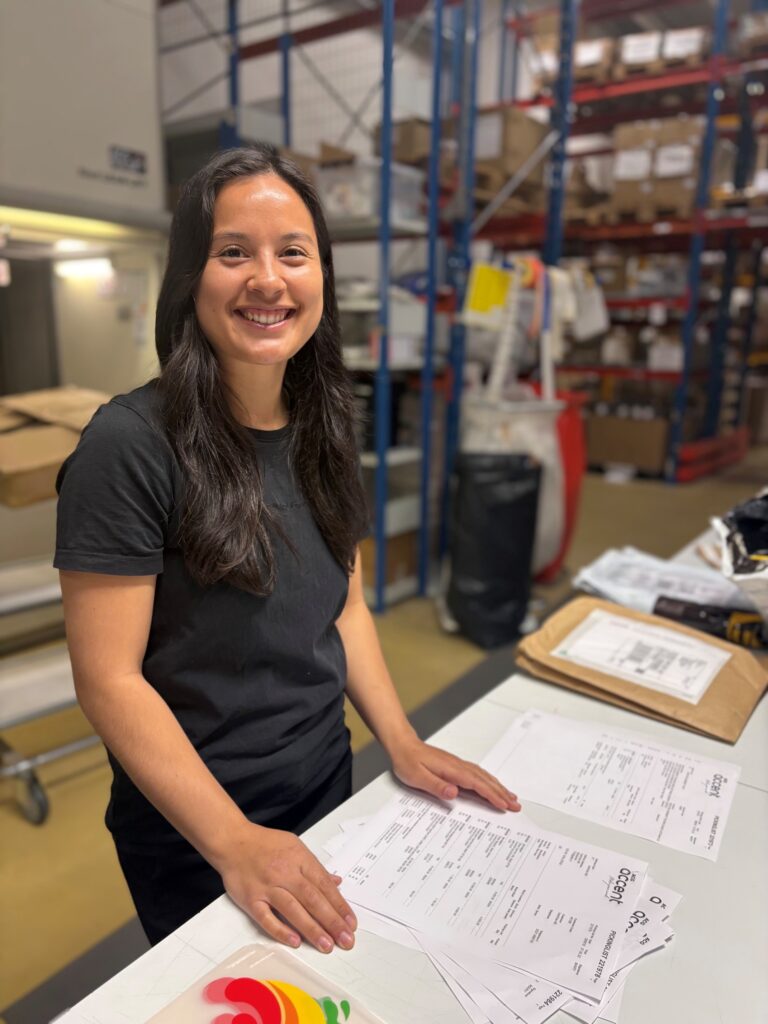
Five quick questions with Mona, Logistics
If you could introduce one thing tomorrow that would make us more sustainable, what would it be?
I would introduce stricter rules around fast fashion. In a dream scenario, I would remove that type of consumption altogether and instead focus on quality, sustainability, and reuse.
What do you think we should talk more about when it comes to sustainability?
I think we should talk more about fast fashion and companies that produce large volumes of products at low prices. There needs to be greater awareness of the consequences this type of consumption has for both people and the environment.
What small change do you think could have a big impact if many people made it?
Taking a moment to think before buying something — whether you really need it, or whether you could borrow it or buy it second-hand instead. I also think more people would benefit from choosing good-quality products that last a long time rather than cheaper alternatives that need to be replaced quickly.
What do you think will be most important for sustainability to truly last over time?
Making it simple and accessible to make good, environmentally friendly choices. But I also believe that large companies and societal structures need to take greater responsibility and help steer the market in a more sustainable direction.
How do you see your own role in contributing to a more sustainable everyday life going forward?
Trying to make conscious choices in everyday life, thinking more carefully about what I consume, choosing quality over quantity, and reusing whenever possible. Going forward, I want to try to inspire my family and friends to think in similar ways.