Sustainability work can sometimes sound like something that lives in strategies, policies, and long-term goals. And yes — we need those. They provide direction, priorities, and a shared language for where we want to go. But sustainability doesn’t become real in a document.
It becomes real in everyday work. In the decisions we make between meetings. In how we plan, order, produce, communicate, deliver, and collaborate. In the small choices repeated so often they eventually become culture. And in the bigger changes that require courage, persistence — and someone actually stepping up to make them happen.
That’s why we want to do this series. To remind ourselves — and show others — that sustainability in practice is created by people. By colleagues who notice the details, find smarter solutions, ask that extra question, dare to say “hold on” when something doesn’t feel right, and make the work a little better today than it was yesterday. Often without it being noticed. Almost always without applause.
We’re proud of our people. Of the commitment, curiosity, and everyday craftsmanship. Of the fact that improvements happen all the time — in conversations, routines, priorities, and actions. Small steps that together become a strong “we”, and that make a real difference.
In this series, we want to highlight exactly that: the sustainability work that’s happening every day, everywhere, all the time. Through the people in our teams. Small and big efforts, learnings, ideas, and reflections. Because sometimes what matters most isn’t saying you have a strategy — but showing how it comes alive.
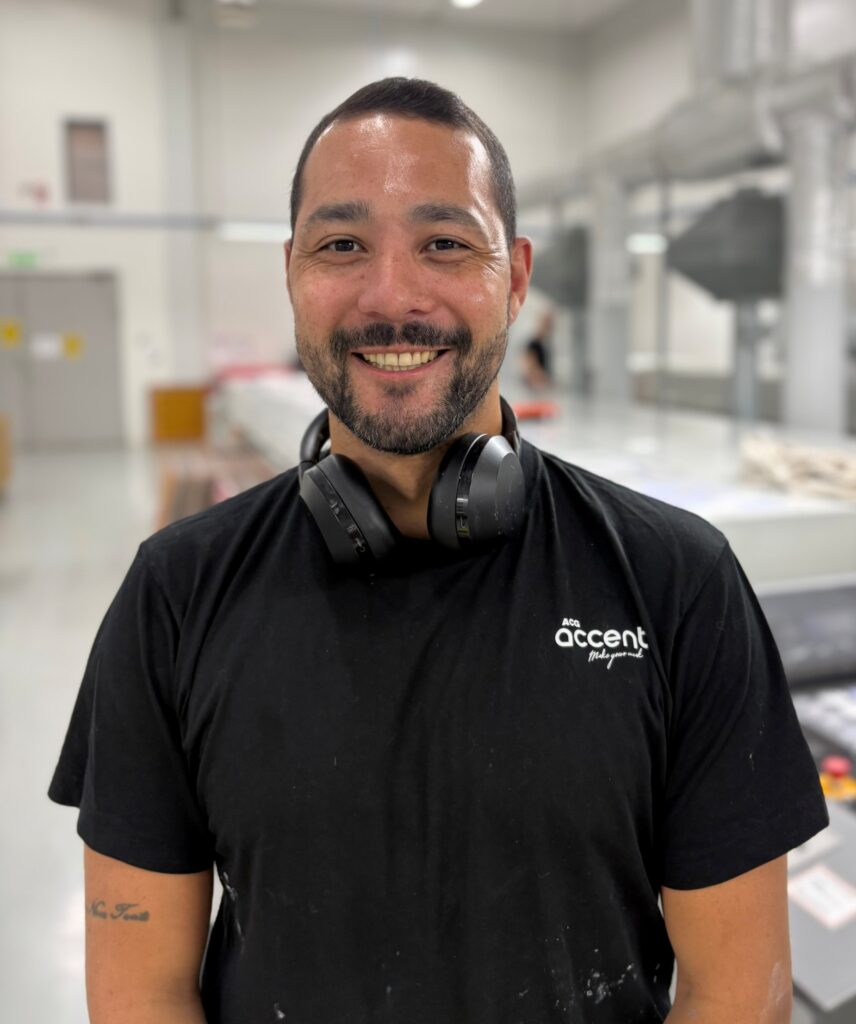
Five quick questions with Mateus, Print Shop
Which part of your job do you think most people don’t see, but that actually has a big impact on sustainability?
One thing many people may not think about is how important it is to be thorough when we clean the equipment. We always try to clean it as well as possible straight away, to avoid having to run the equipment through the cleaning machine an extra time later. This helps us reduce both water and energy consumption.
What small decision do you often make that saves resources, time or reduces waste, without anyone really noticing?
I always try to make use of any ink that is left over after printing. Instead of throwing it away, we collect leftover ink in a bucket so we can use it later. It’s a small everyday action that reduces waste and helps us use resources more efficiently.
When does sustainability feel most concrete in your everyday work? Please give an example.
Sustainability feels most concrete to me when we handle and sort leftover ink. We make sure it is taken care of safely, so it can be transported and recycled in a responsible and environmentally friendly way. That makes me feel proud to be part of a company that takes responsibility and works seriously with the handling of hazardous substances.
If you could teach a new colleague one single thing that would make us more sustainable, what would it be and why?
If I were to teach a new colleague one thing to help us become more sustainable, it would be to think twice before throwing something away. In the printing department, there is a lot that can be reused and sorted correctly instead of becoming general waste. This can make a big difference, both for the company and for the environment.
What is your “dream improvement” in our everyday work that would make it easier for everyone to work sustainably?
My dream improvement would be a better solution for cleaning the equipment. If the process were more ergonomic and resulted in less product waste, it would both make the work easier and make us more sustainable. I also believe it would increase both productivity and motivation for those of us working in production.