Sustainability work can sometimes sound like something that lives in strategies, policies, and long-term goals. And yes — we need those. They provide direction, priorities, and a shared language for where we want to go. But sustainability doesn’t become real in a document.
It becomes real in everyday work. In the decisions we make between meetings. In how we plan, order, produce, communicate, deliver, and collaborate. In the small choices repeated so often they eventually become culture. And in the bigger changes that require courage, persistence — and someone actually stepping up to make them happen.
That’s why we want to do this series. To remind ourselves — and show others — that sustainability in practice is created by people. By colleagues who notice the details, find smarter solutions, ask that extra question, dare to say “hold on” when something doesn’t feel right, and make the work a little better today than it was yesterday. Often without it being noticed. Almost always without applause.
We’re proud of our people. Of the commitment, curiosity, and everyday craftsmanship. Of the fact that improvements happen all the time — in conversations, routines, priorities, and actions. Small steps that together become a strong “we”, and that make a real difference.
In this series, we want to highlight exactly that: the sustainability work that’s happening every day, everywhere, all the time. Through the people in our teams. Small and big efforts, learnings, ideas, and reflections. Because sometimes what matters most isn’t saying you have a strategy — but showing how it comes alive.
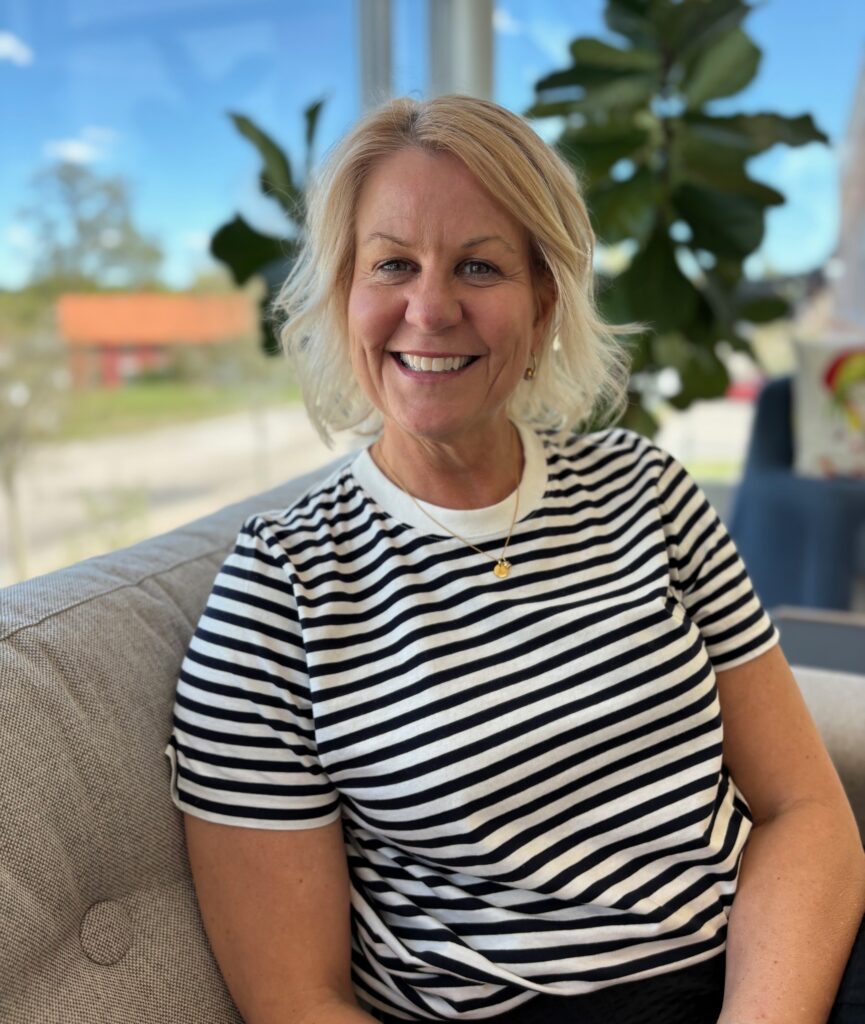
Five quick questions with Anna-Lena, Sales Support Label
When do you find it hardest to make sustainable choices in everyday life?
I think it’s hardest when the more environmentally friendly options are more complicated or more expensive. For example, when you have to spend extra time searching for the right products or changing your habits. Unfortunately, you tend to choose whatever is quickest and easiest — even if it isn’t always the most sustainable option. I also feel that when the price is significantly higher, I sadly lose motivation to choose the more sustainable option, even though I know I should.
How do you usually think when there isn’t an obvious “right” choice?
Then I go with what feels most right and use my common sense.
What barriers do you see to making sustainability easy all the time?
Cost and accessibility — pretty much the same as I mentioned in the first question. In our everyday life, which is unfortunately often quite time-pressured, the sustainable options need to be easy to access and reasonably priced. The same goes for things like recycling stations — they need to be nearby and easy to use.
Is there an area where you think we still have a lot left to develop?
If you look at it from a global perspective, there are huge gaps in sustainable development — especially when there are world leaders claiming there isn’t a climate crisis, for example. That feels bleak.
But if I narrow it down to my own everyday life, I think the food industry still has work to do when it comes to packaging. It feels completely crazy that when you cook, you can end up with a mountain of plastic in the kitchen afterwards, for example.
Then there’s of course the transport sector — there’s still a long way to go to switch to fossil-free vehicles.
And public transport: it shouldn’t be twice as expensive to take the train or bus compared to driving. Here, I think the government needs to step in and steer things, so it becomes the obvious choice.
What do you think is needed for more people to feel that sustainability is a natural part of work?
Ongoing information and reminders that small things in everyday life and at the workplace make a difference. You can set sustainability goals that can be measured and make a big deal of it when they’re achieved.